Driveways · Concrete Contractor Orem
Concrete Driveway Contractor in Orem, UT
New driveways, extensions and RV pads, sized to what you park. Get a free estimate.
Orem, Provo, Lindon, Pleasant Grove, American Fork, Lehi and 30 more towns
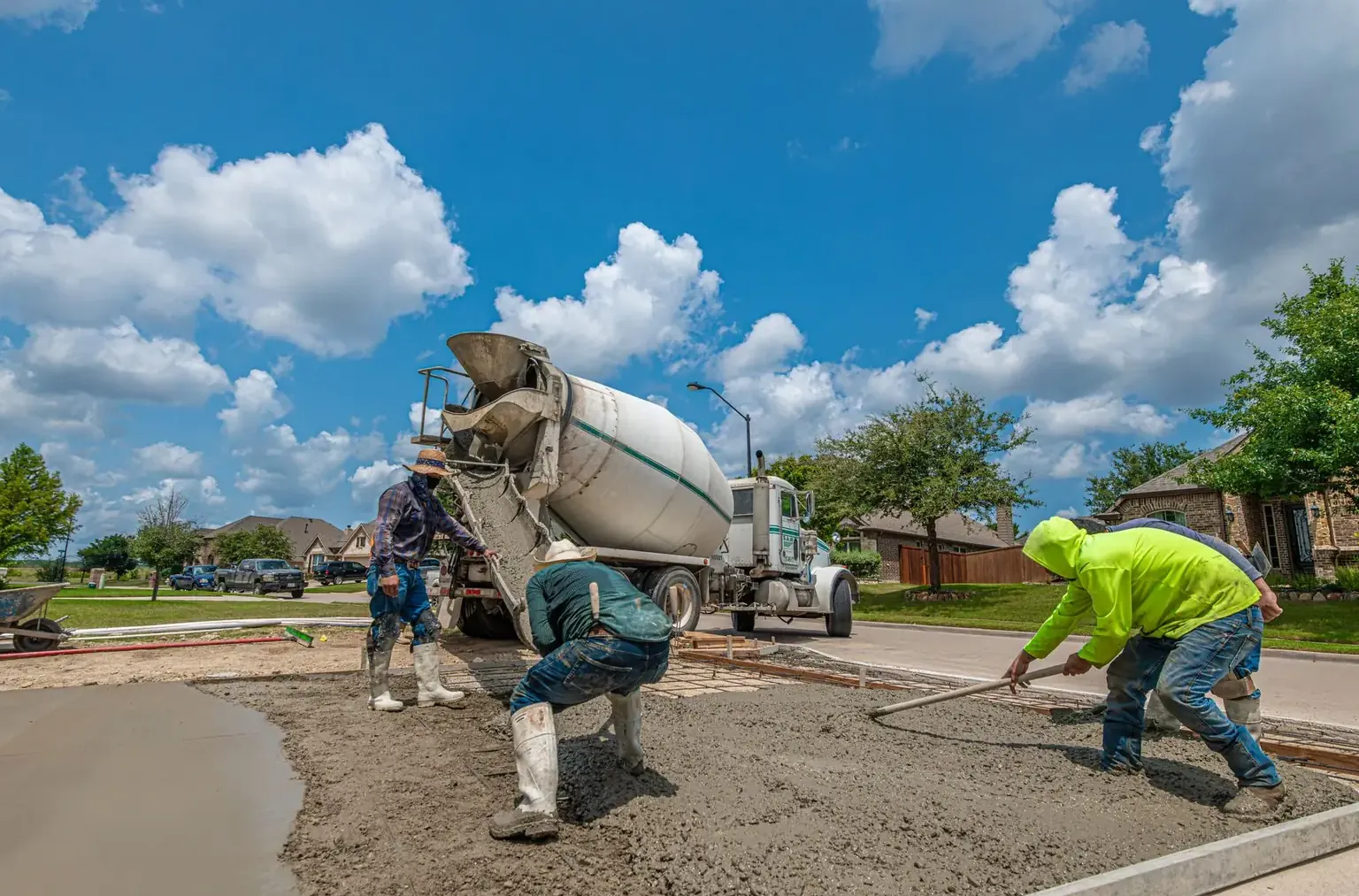
Free Driveway Estimate
Tell us what you want built, rough measurements and anything you know about HOA rules or timing. A call back follows to go over the details and find a day to see the site.
- Free estimates
- Driveways to sport courts
- Planned step by step
- Homes and businesses
Rough sizes are fine. The estimate is free.
Concrete Driveways
Concrete Driveway Contractor in Orem, UT
A driveway is the hardest-working slab at most Orem homes. It carries the daily commute, the bikes and the sidewalk chalk, the visiting grandparents' truck, and sometimes a trailer that sits there all winter. We plan new driveways, extensions and parking pads by starting with that list of uses, because the list decides everything else. Cars and SUVs are typically fine on 4 inches of concrete. A boat, camper or work truck pushes that area to 5 or 6 inches with thicker edges. Reinforcement rides on chairs so it ends up in the middle of the slab, where it does some good.
Then come the ground and the water. The subgrade is compacted and a gravel base goes down so the slab has even, well-drained support, which matters on lots where the house build left backfill that is still settling. The forms set a gentle fall away from the garage and toward the street or a yard area. Control joints are laid out so panels stay roughly square. Where the driveway meets the street, the approach belongs to the city's right-of-way, so the permit gets built into the schedule from the start.
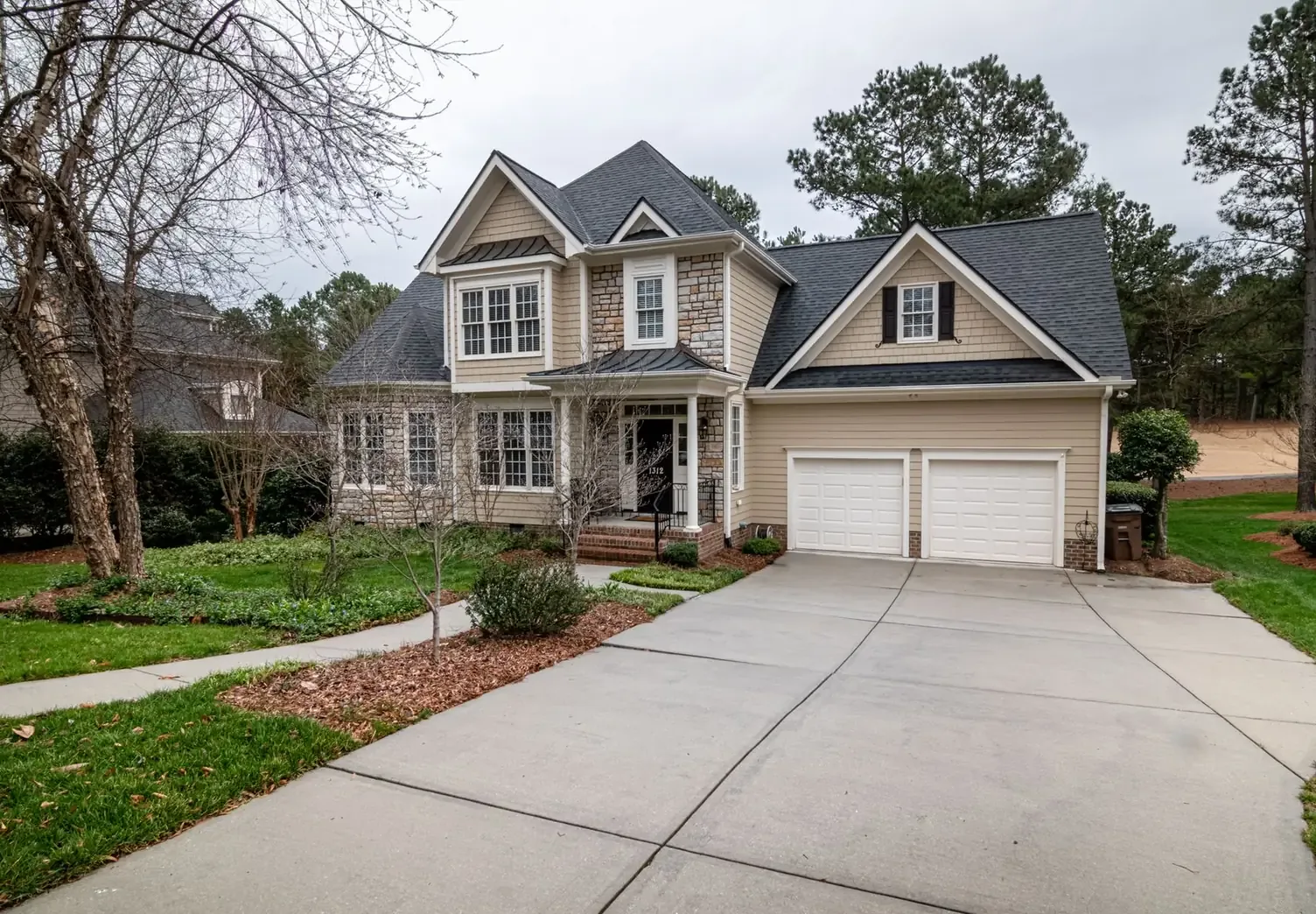
What's included
What goes into concrete driveways
- 01
Layout around your vehicles
Width, length, turning room and any side parking marked out around the cars you own now and the ones you expect to own.
- 02
Excavation and gravel base
Sod, topsoil and soft spots removed, then a compacted gravel base placed for even support and drainage.
- 03
Thickness by zone
Typically 4 inches where cars park and 5 to 6 inches under trailers, RVs and work trucks, with thickened edges.
- 04
Steel on chairs
Steel, either rebar or welded wire, supported on chairs so it sits mid-slab, plus fiber in the mix when it helps.
- 05
Air-entrained mix and joints
A freeze-thaw mix, then control joints tooled or saw-cut on a planned layout.
- 06
Street approach
Work at the curb and street planned around the city's right-of-way permit.
Examples
Concrete Driveways: examples of the work
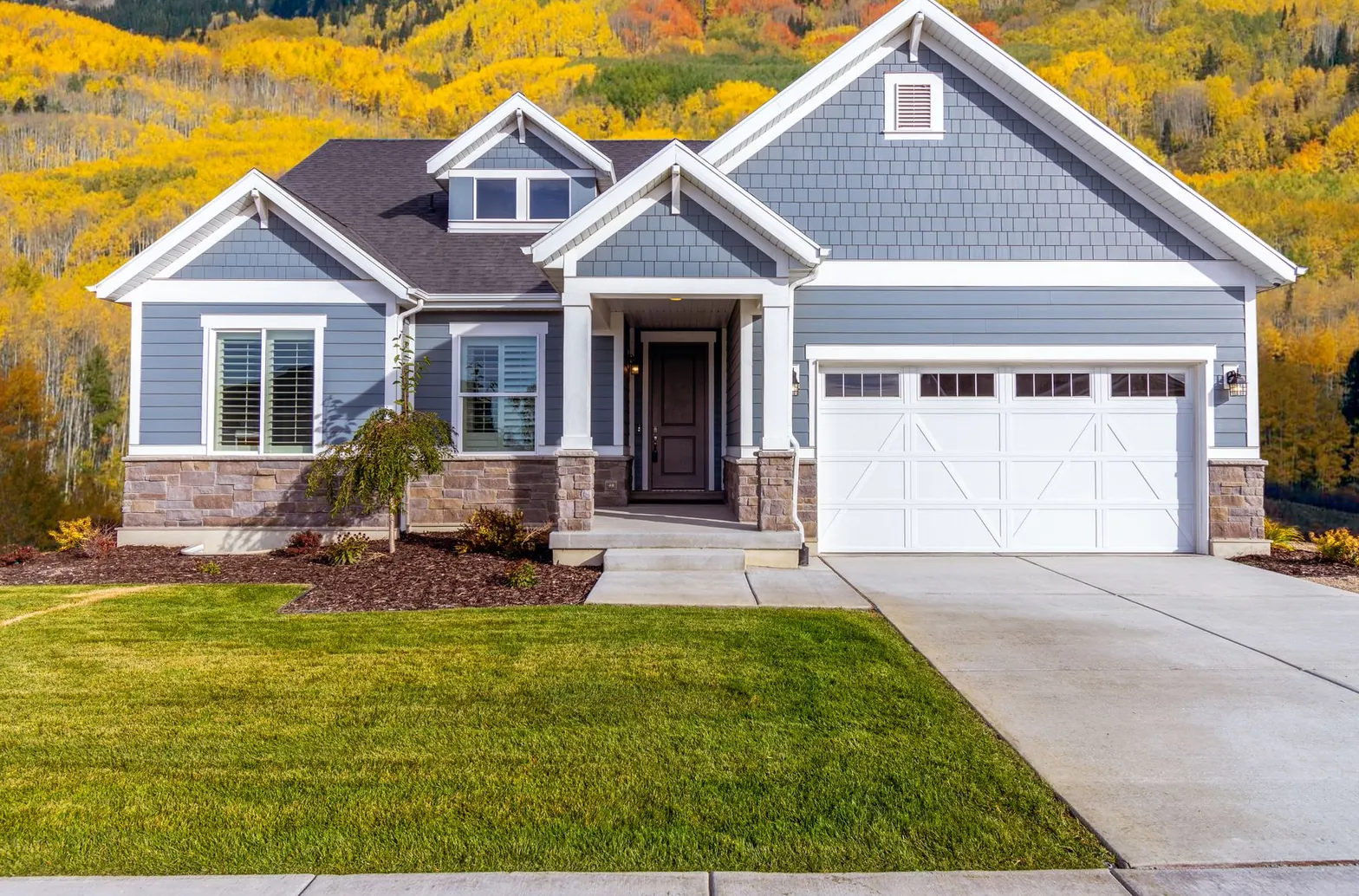
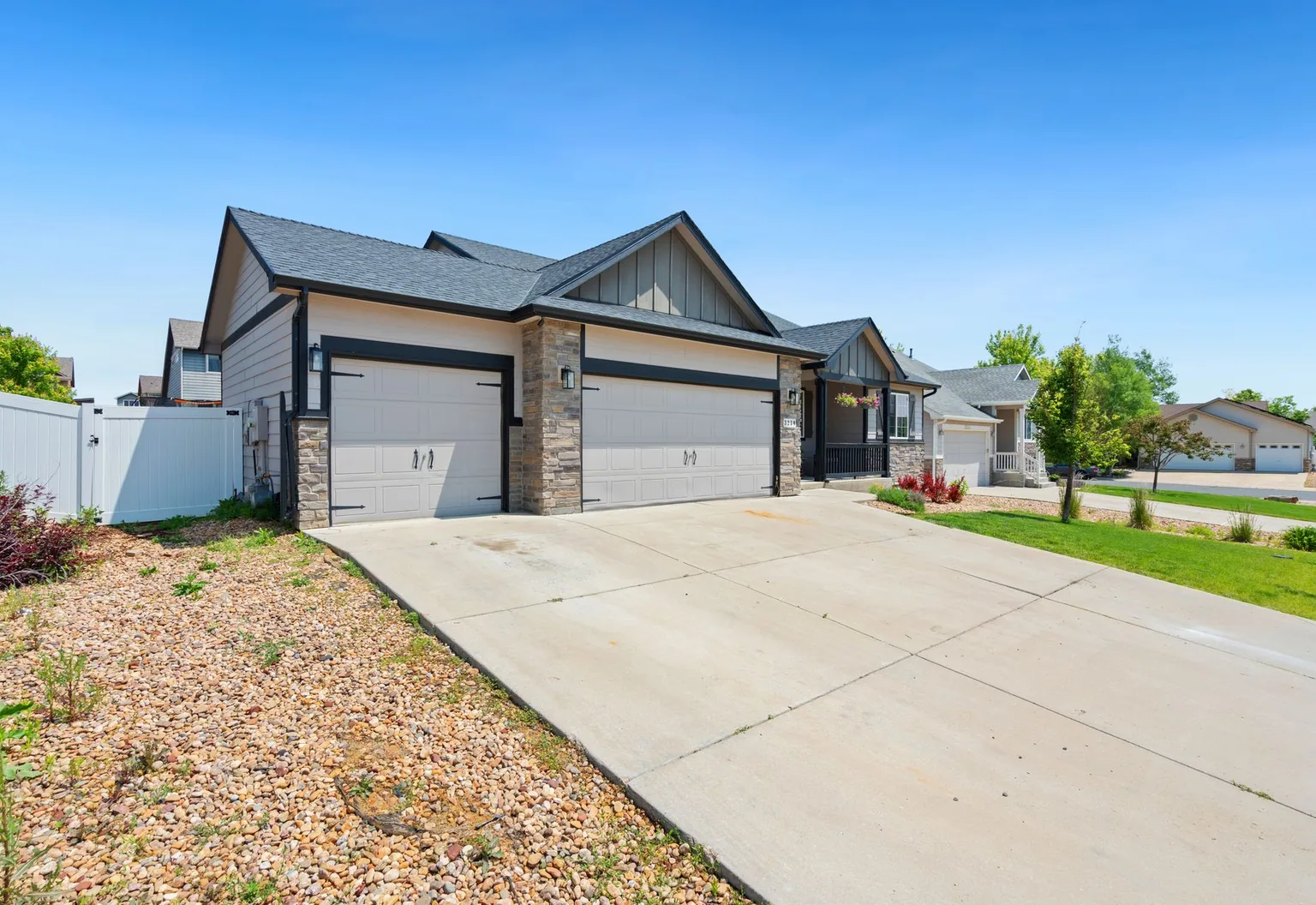
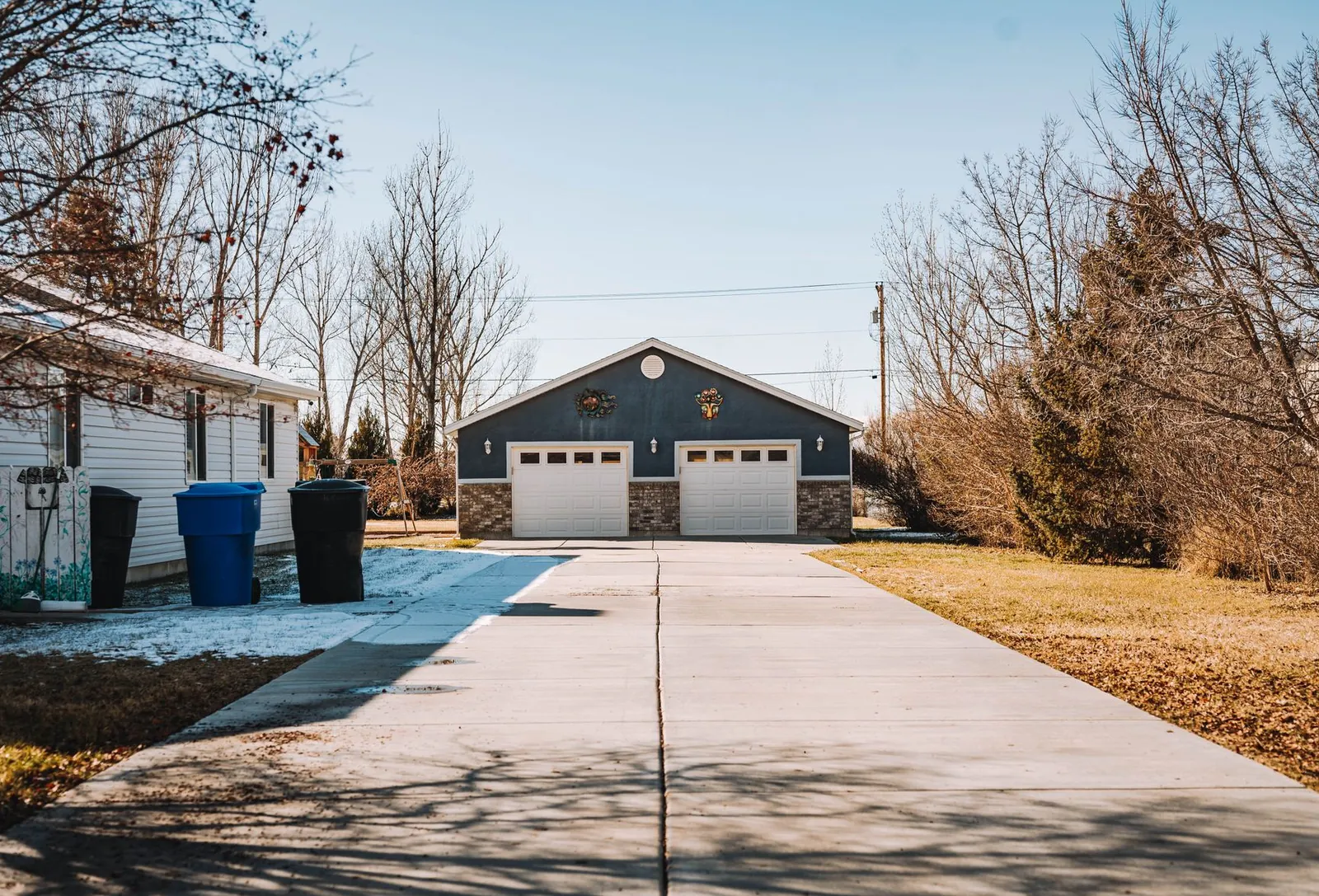
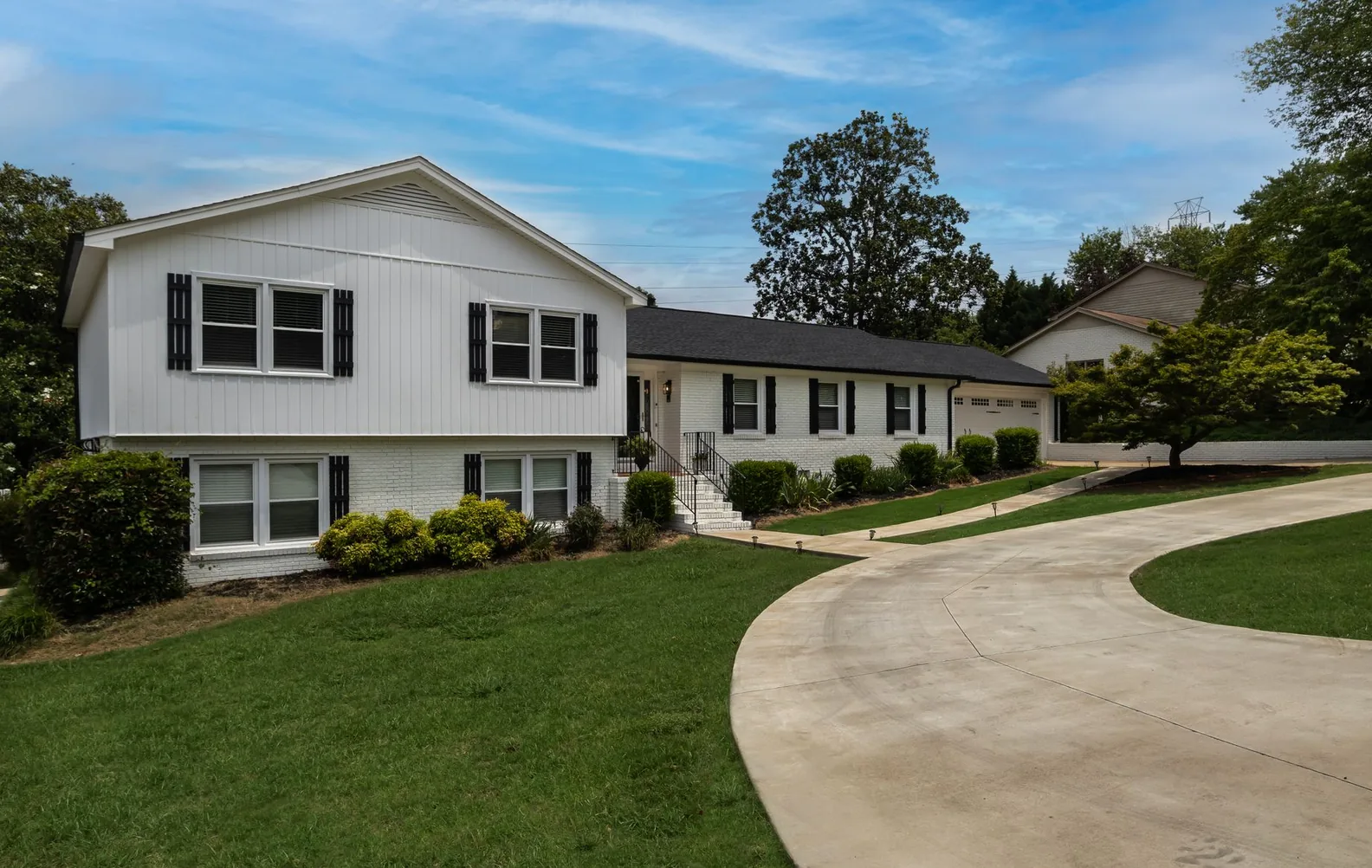
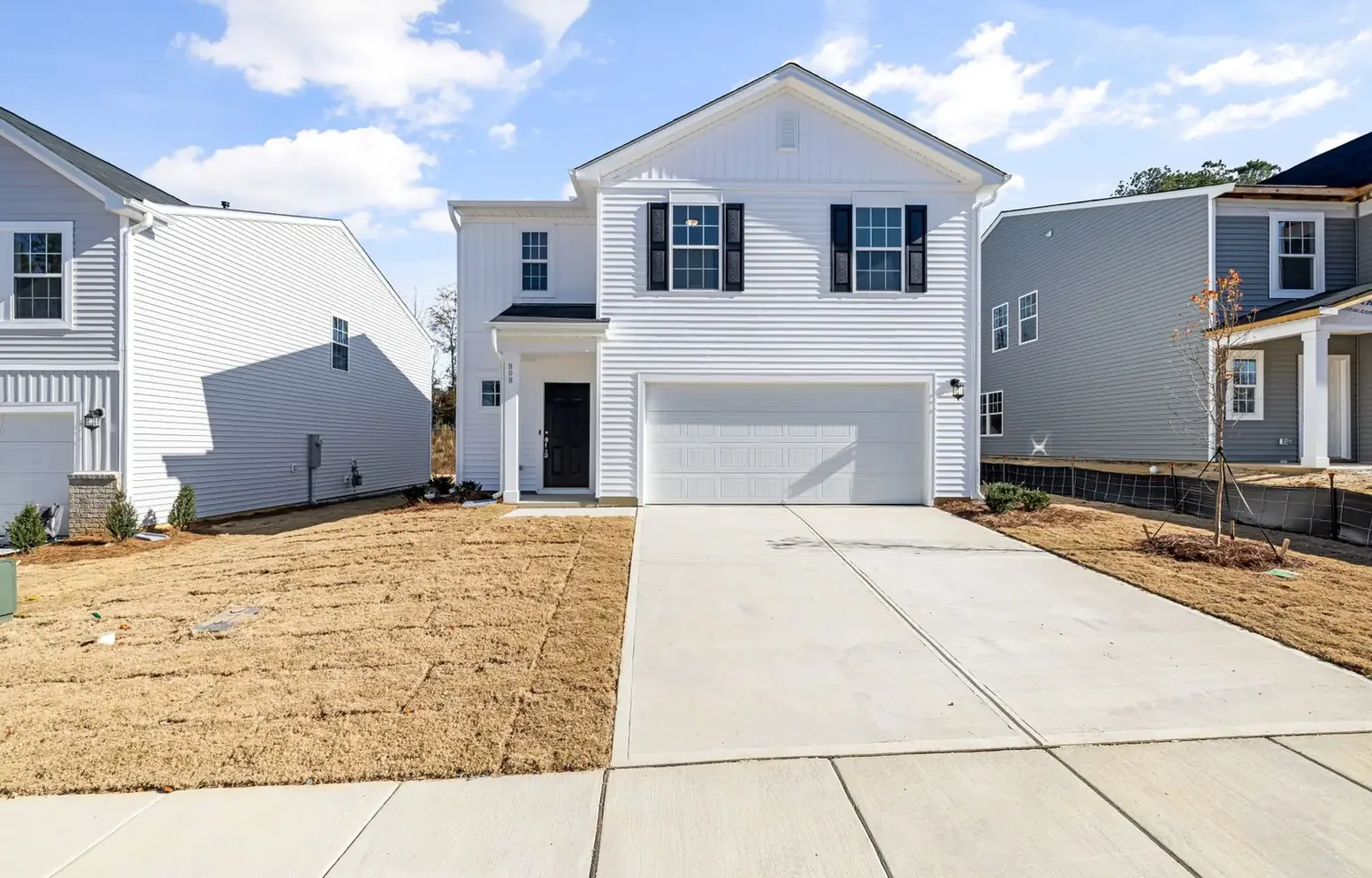
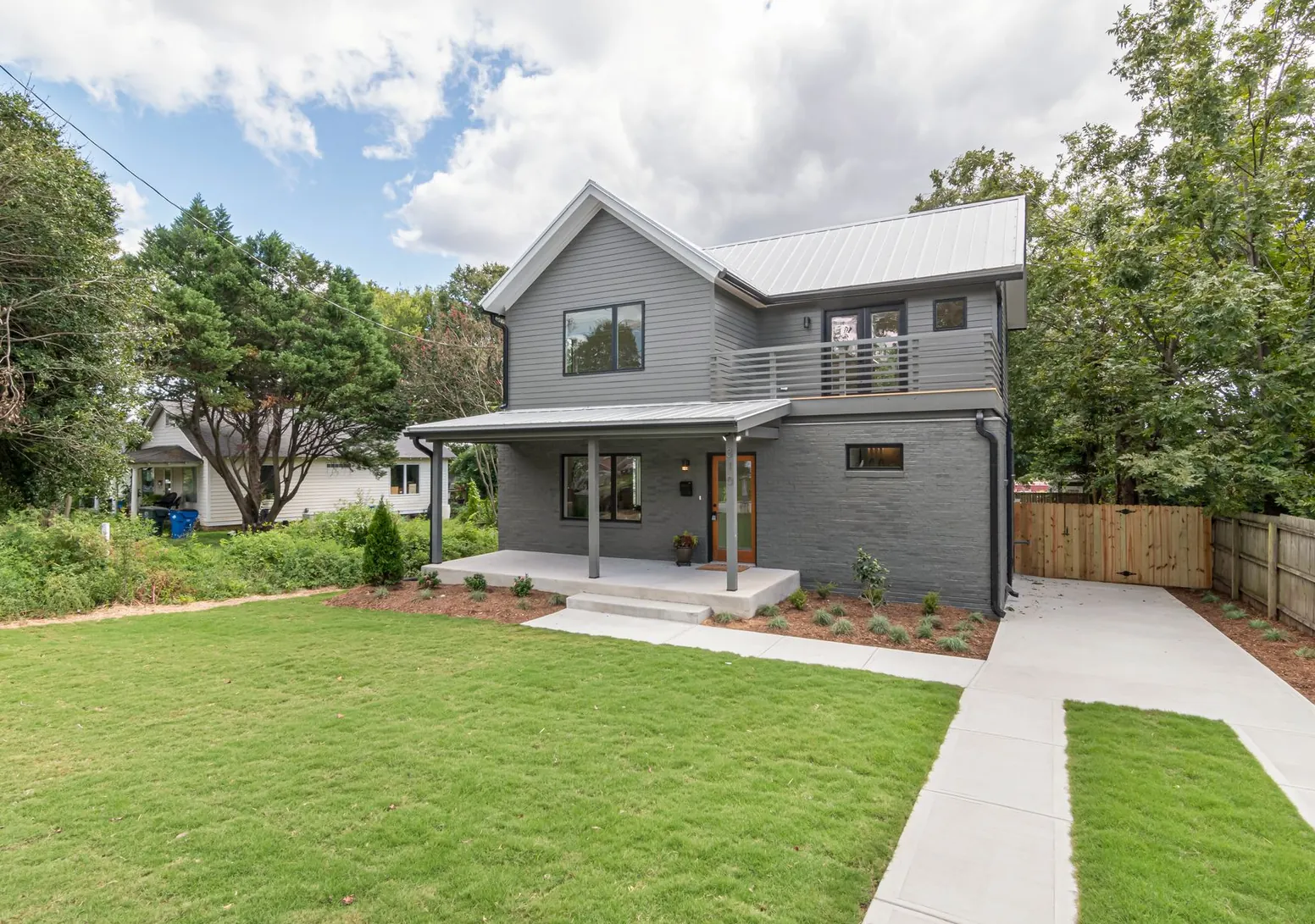
Stock photos: examples of the work type.
How it works
Concrete Driveways, step by step
- 1
List the vehicles
Tell us what parks there today, what might park there later, and where you wish you had more room.
- 2
Mark it on the ground
Paint lines or stakes show the new edges so you can walk it, open car doors and picture the turning room before anything is dug.
- 3
Prep and pour
Excavate, compact the base, set forms and steel, then place, finish and broom the concrete across the direction of travel.
- 4
Let it cure
People can walk on it within a couple of days; cars wait about a week, and trailers or heavy trucks wait longer.
Questions
Concrete Driveways questions
What keeps a driveway from cracking in Utah County winters?
Mostly what is under it and what is in it. A compacted gravel base keeps the slab evenly supported, air-entrained concrete resists freeze-thaw damage, and planned joints control where shrinkage cracks show up. Slope matters as much as any of them, because water that sits on a driveway freezes, thaws and works into the surface all season.
What affects the cost of a new driveway?
Size and thickness come first, then everything around them: removing whatever is there now, how much excavation and base the ground needs, reinforcement, the finish, and permit work at the street. A long, narrow drive needs more forming than a short, wide one with the same area. Those are the line items worth comparing on any estimate.
Will a new driveway need a city permit?
Usually for the part at the street. The approach and curb opening are technically city right-of-way, so the city issues the permit and decides the width and details, and every city along the Wasatch Front handles that a little differently. Driveway work entirely on your lot may not need one, though HOA sign-off and an 811 call still apply.
How wide should a two-car driveway be?
Plan on roughly 18 to 24 feet so both sets of doors can open without anyone stepping into the grass. If you park a third car or a trailer, a side pad or a widened section near the garage is often simpler than widening the whole length. Width at the curb is limited by the city's approach rules.
Can I add an RV pad next to my existing driveway?
Yes, and it is a common request from families who own a trailer or camper. The pad is typically 5 to 6 inches thick on its own compacted base, tied to the existing driveway with steel dowels so the two stay level. Check HOA rules on RV parking and side-yard access before settling on the length.
Pick your project
More from Concrete Contractor Orem
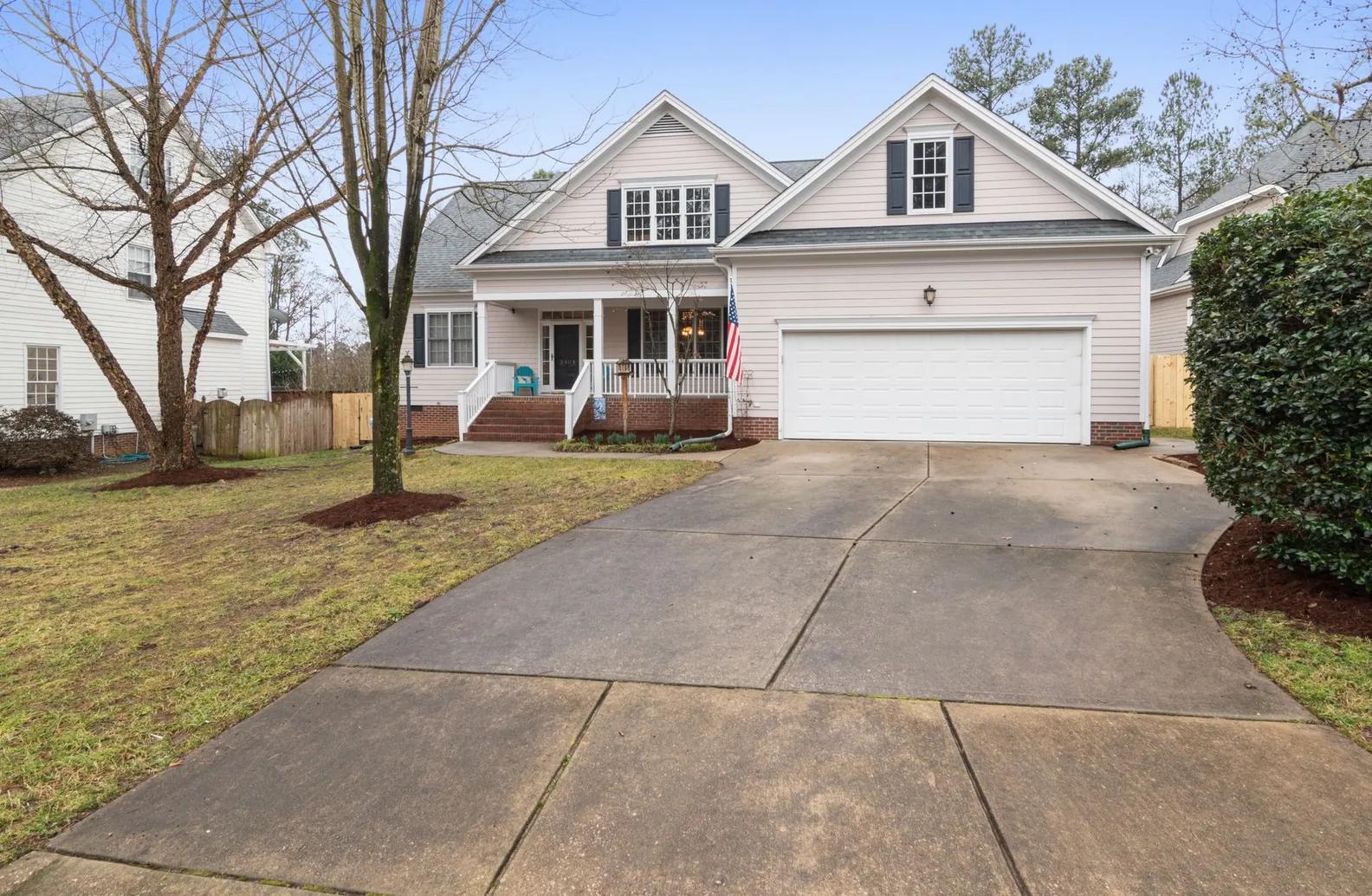
Driveway Replacement
Tear out a cracked, sunken or flaking driveway, fix what failed underneath and pour a new one built for winters.
More on driveway replacement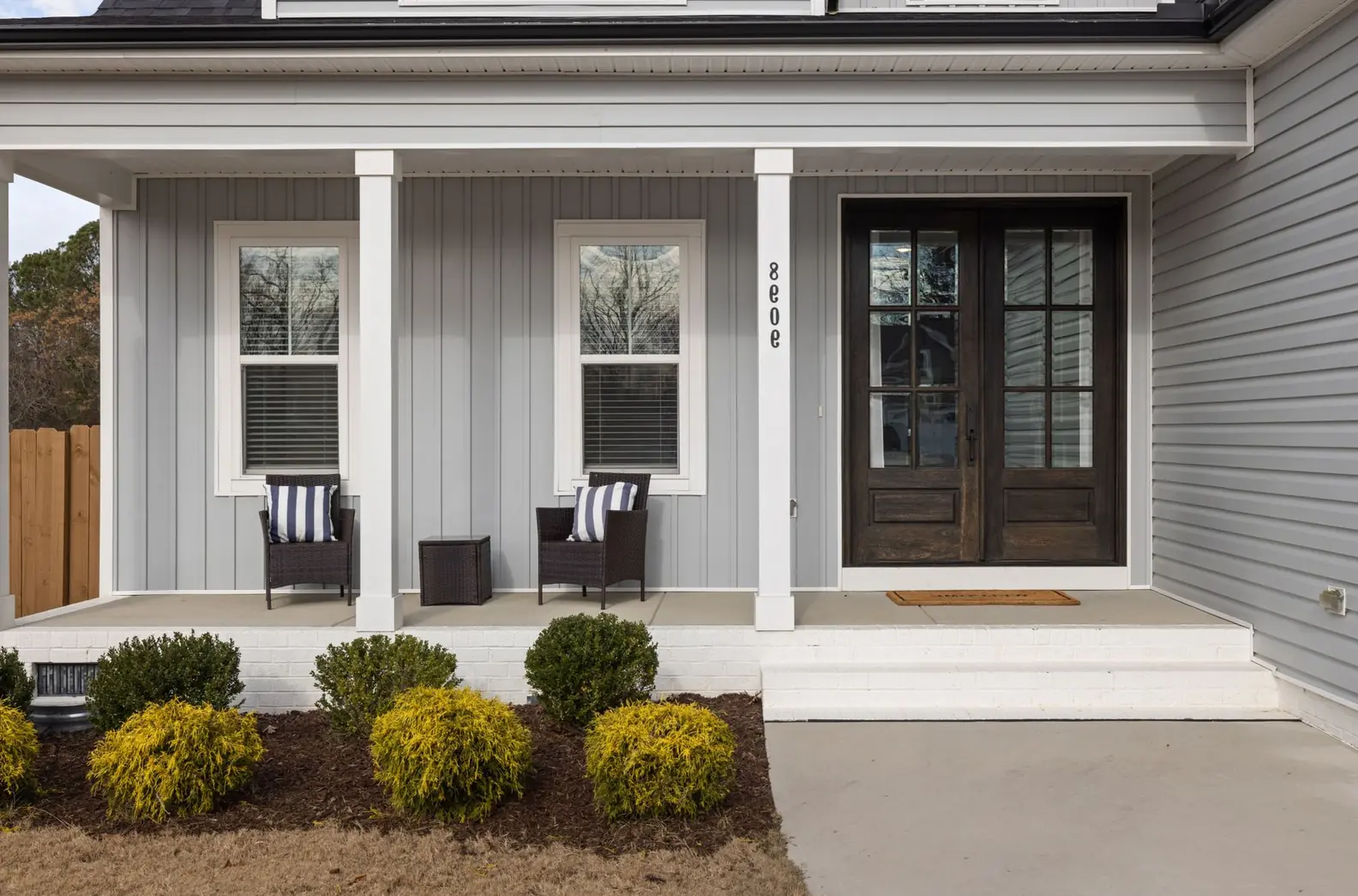
Steps & Porches
Front steps, garage and back-door stoops and porch slabs with even heights, roomy landings and slip-resistant finishes.
More on steps & porches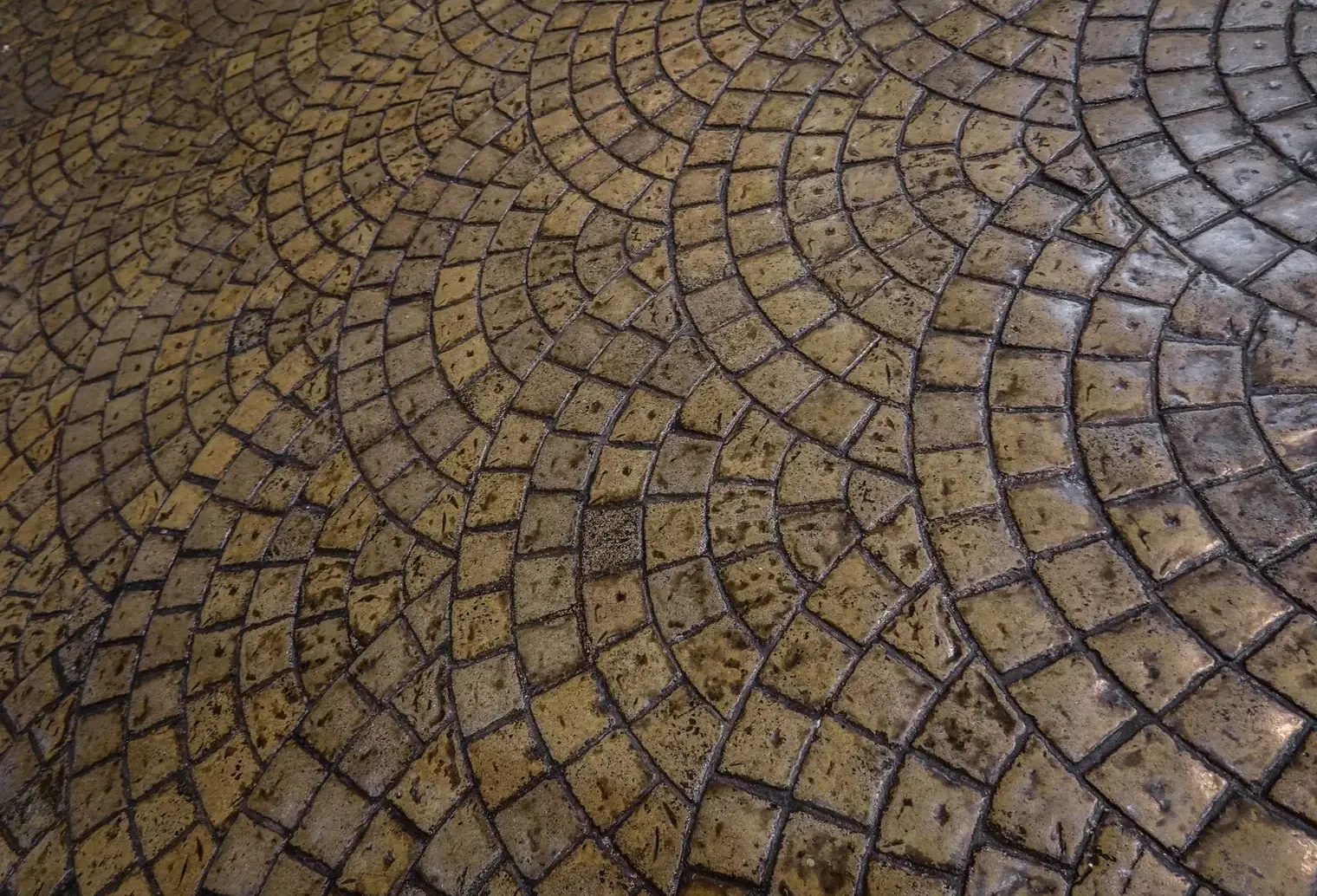
Stamped Concrete
Stone, slate and wood-plank patterns in colored concrete for patios, walks, porches and driveway borders.
More on stamped concrete
Service area
Concrete Driveways in these towns
We plan concrete driveways in Orem and every town listed here:
Utah County
Salt Lake County
Tooele County
Free estimates on concrete driveways
Share what you have in mind and a few rough measurements; a call back follows to plan the free estimate visit.